
41 lines
2.1 KiB
Markdown
41 lines
2.1 KiB
Markdown
---
|
|
title: "Flipbook"
|
|
excerpt: "Not Yet Present"
|
|
sidebar:
|
|
- title: "A wild ?????? has appeared!"
|
|
image: https://placekittens.com/450/250
|
|
image_alt: "placeholder image"
|
|
text: "This image used to be a kitten, and the text used to say \"Meow\", but then the kitten-generator broke. The image still might be a kitten, but it's no longer a guarantee."
|
|
---
|
|
|
|
Here we are, the final day to submit this, and I have a flipbook.
|
|
|
|
Now, I'm bad at drawing, and even worse at animating. I've tried both a while back, and the results were ugly. So, I thought, why not just print something and cut it out?
|
|
|
|
So, I found a gif on the internet and decided to turn it into a flipbook.
|
|
|
|
Easier said than done. Even if the images were extracted to individual frames, I couldn't just put them on a USB drive and ask Crimson Copies to print them. Why? Because half the card is obstructed by the rest, so half the space needs to be unused. A regular printer would pack the images as close together as possible.
|
|
|
|
Additionally, once that's done, trimming the images to the perfect size for a page is difficult without markers, and it's tedious, as when printing multiple flipbook pages per 8.5x11" page, the placement can drift per physical printed page.
|
|
|
|
And that's not even mentioning the pages have to be in order, and each flipbook page has to be the same size, and a whole host of other issues.
|
|
|
|
My answer to this? Python!
|
|
|
|
No, not the snake.
|
|
|
|
It turns out that having to work with image processing has some advantages. I wrote a script that will generate images for a printer, which can then be cut out with a papercutter or similar tool. For this flipbook, an example is below.
|
|
|
|

|
|
|
|
Cutting out, we see the assembled flipbook
|
|
|
|
<video width="640" controls>
|
|
<source src="/assets/uh323/flipbook/flipbook.mp4" type="video/mp4">
|
|
Your browser does not support the video tag.
|
|
</video>
|
|
|
|
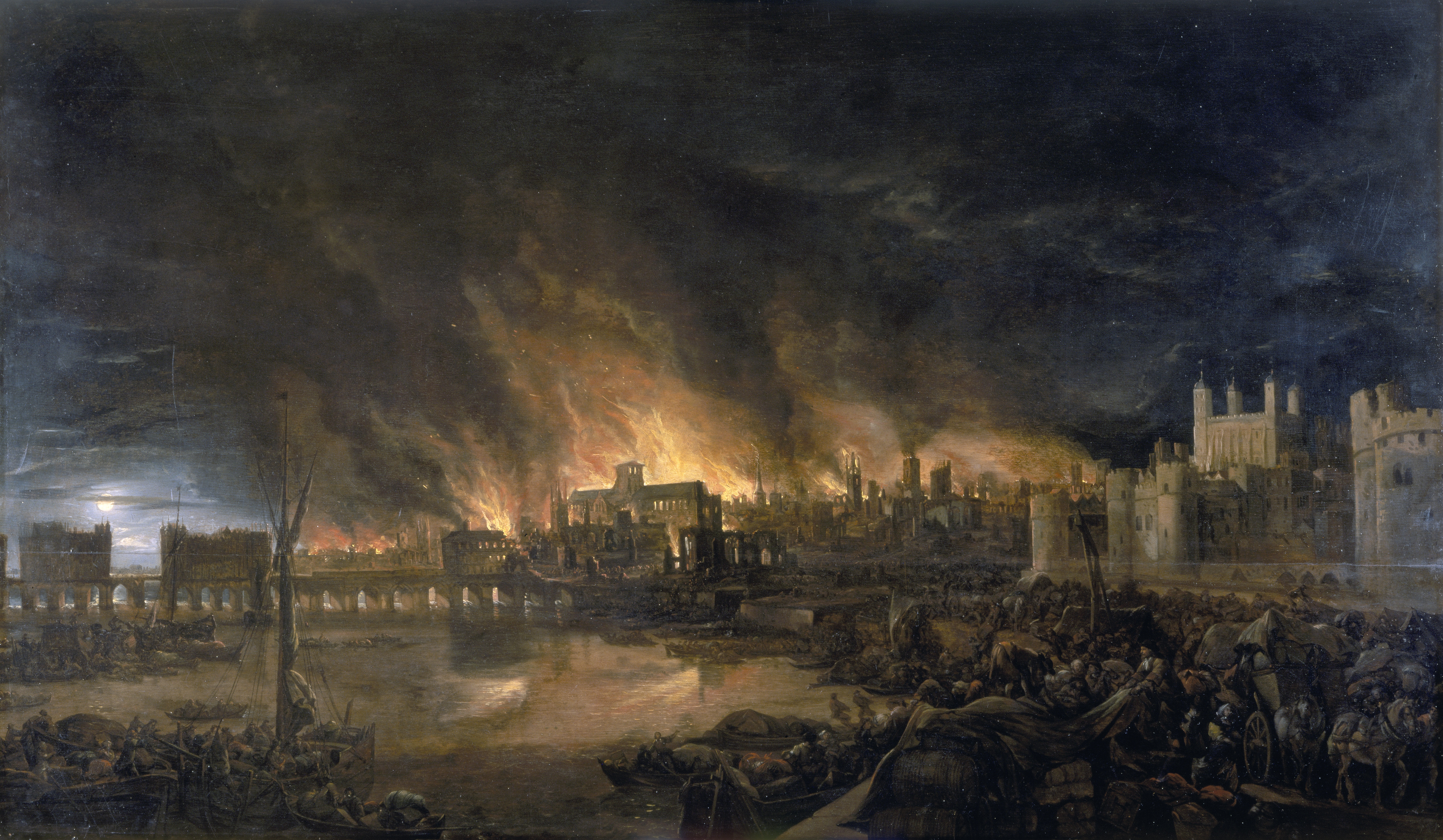
This flipbook was inspired by the many, many paintings of the Great Fire of London, pictured below:
|
|
|
|
|